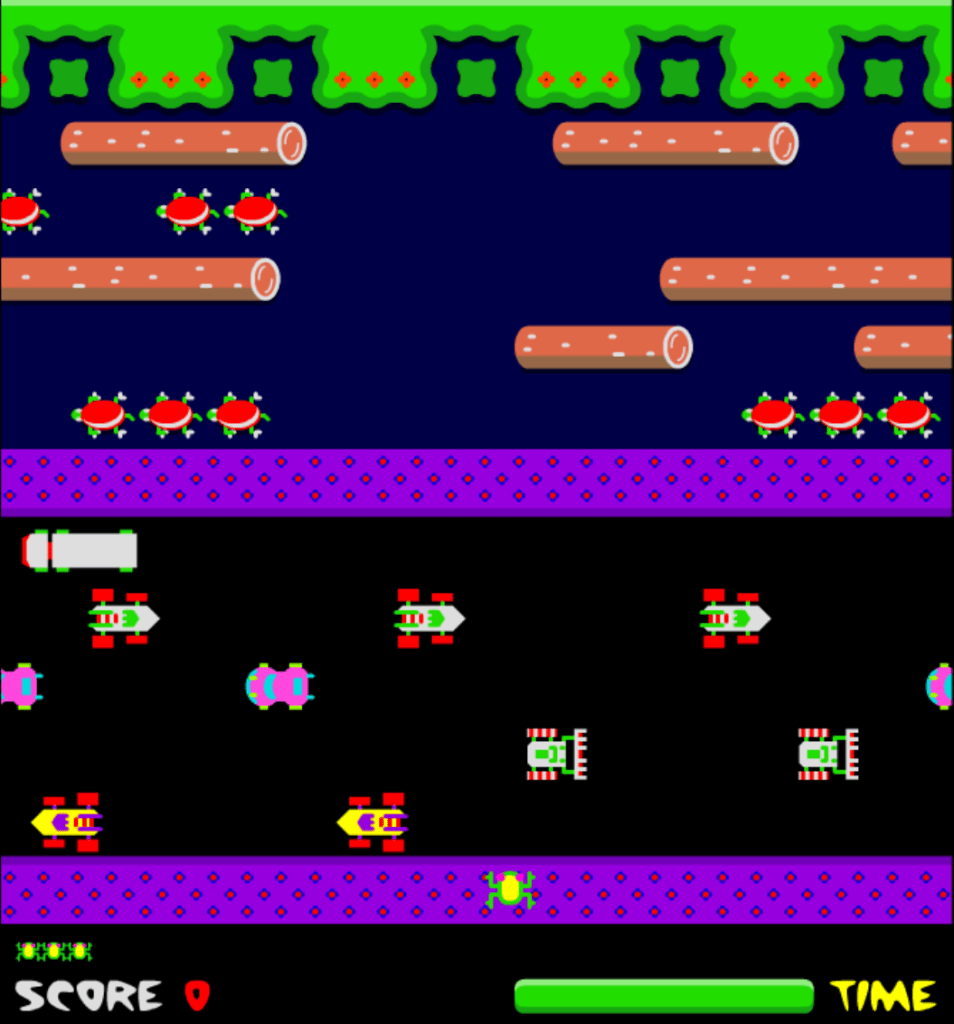
Gamification is the use of game design elements in non-game contexts and has been used to success in many web-based businesses and web-based educational tools (Dominguez et al, 2013). Including elements such as progression systems, badges, and earnable rewards increases student engagement and motivation.
Video games are interactive activities that provide continuous challenges to the player and engage them in an active learning process of exploration and mastery (Koster, 2005). Done well, the combination of narrative, graphics, music and interactivity can engage students in subjects and areas where they would normally be disinterested (Watson, Mong and Harris, 2011).
Having extensive experience with video games myself, my view is that video games are a powerful tool that should be used sparingly in the classroom. This is not to say that games hold no benefit; gamification of standard classroom practice can increase student engagement and motivation and there exist examples of effective game-based learning tools. Mathletics is a tool for learning maths that requires students to practice and solve sums to complete levels and earn rewards and currency that can be spent at the in-game shop. I have seen Mathletics used as a homework program that captivated the students and motivated them to work towards the next reward and purchase cosmetics they could use to customise their profile.
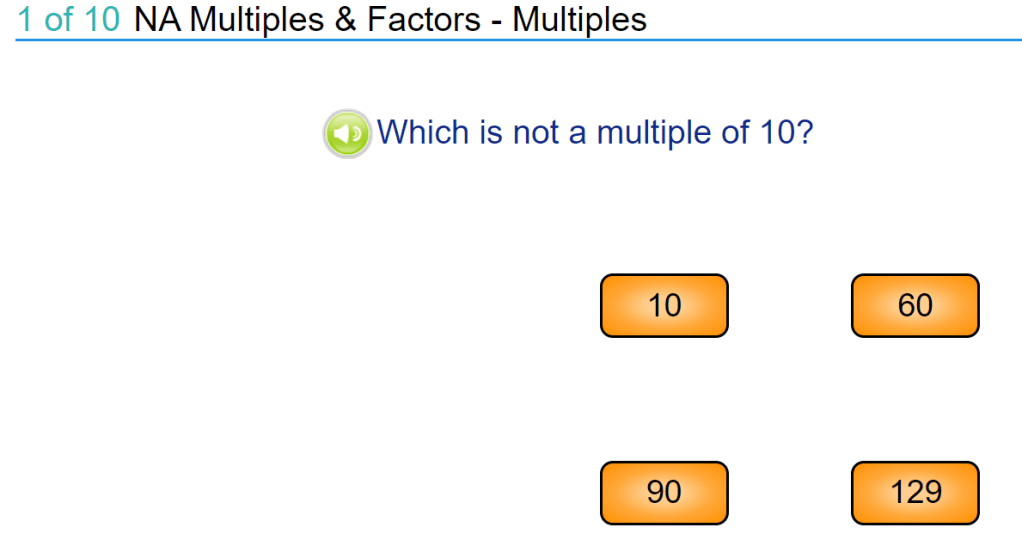

Implemented poorly, video games serve to distract students from the focus of a lesson and increase off task behaviour. The use of video games must be heavily scaffolded and the student’s purpose must be clear at all times.
Designing Games Using Scratch
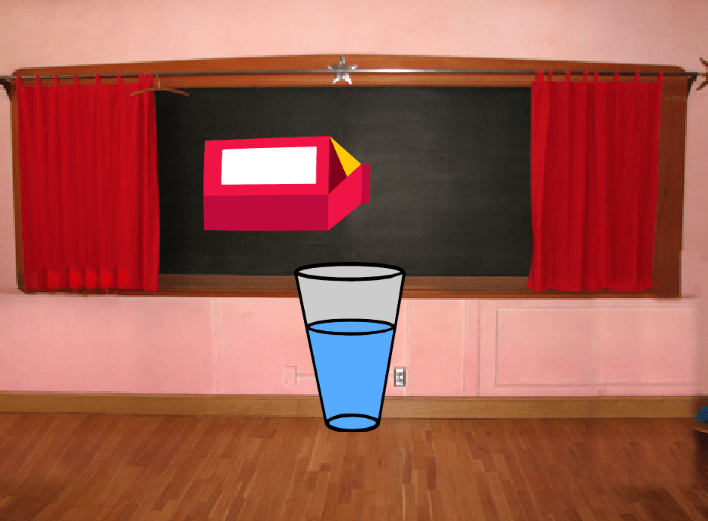
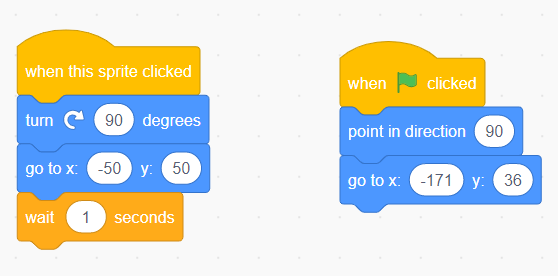
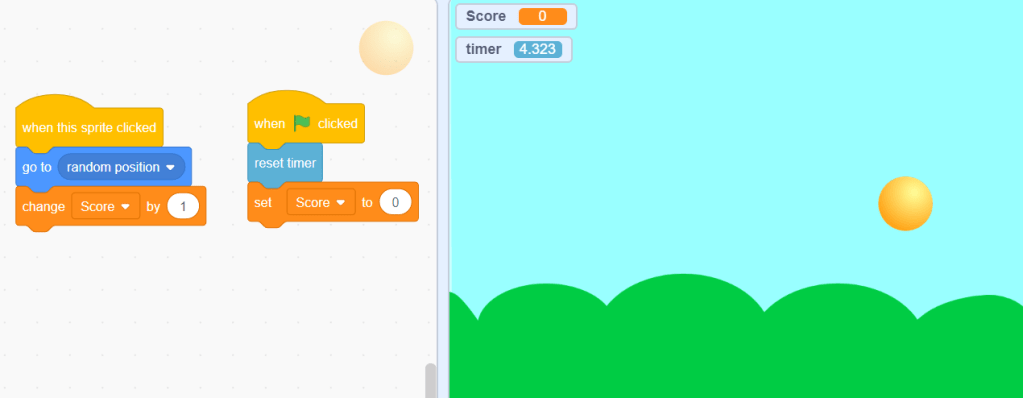
Scratch is a block coding programs that can be used to create basic games. My experience with scratch, perhaps as a result of having very limited experience with coding previously, was somewhat frustrating. Finding the relevant code blocks and arranging them to execute more complex operations was either difficult or impossible. This limitation hinders the applicability of scratch in classroom settings other than classes designed to teach coding as students will devote their energy to using the software rather than engaging with the content.
I was able to create a basic game by following in-built tutorials however creating a game that could promote meaningful learning was beyond my capability.
References
Domínguez, A., Saenz-De-Navarrete, J., De-Marcos, L., Fernández-Sanz, L., Pagés, C., & Martínez-HerráIz, J. J. (2013). Gamifying learning experiences: Practical implications and outcomes. Computers & Education, 63, 380-392.
Koster, R. A theory of fun for game design, Paraglyph Press, Scottsdale, Arizona (2005)
W.R. Watson, C.J. Mong, C.A. Harris (2011) A case study of the in-class use of a video game for teaching high school history. Computers & Education, 56(2), pp. 466-474
All images are my own
 EDUC3620 Digital Creativity and Learning ePortfolio
Hi Nathan,
I agree with your argument that games, while effective, should remain an occasional activity. Doing the research for my own post I encountered a few articles that reinforced your stance and warned that the novelty could wear off and then the games are less engaging. Your comment reinforcing the value of narrative, graphics and music reminded me of the benefits of incorporating multimodal technologies to connect learning in the classroom with students’ activities outside of it. Do you think that students would find the use of games a more authentic learning activity?
LikeLike
I agree that computer games can be a distraction to students if not implemented effectively by the teacher. Further, I feel the onus falls on us as educators to make an engaging learning environment where games can be used effectively as learning tools, not just for entertainment.
LikeLike