Virtual Reality (VR) has existed in various forms for over half a century but it has yet to see widespread adoption in the field of education due to limitations of the technology, pedagogical barriers and the monetary expense (Kavanaugh, Luxton-Reilly, Wuensche & Plimmer, 2017). As a result, the potential benefits of VR, including increased time on-task, student enjoyment and engagement, motivation, deeper learning and better long-term retention have not been realised.
Recently VR has become more accessible and the availability of cheap headsets, such as Google Cardboard, that are compatible with smartphones has reduced the necessity for more expensive VR equipment such as the Oculus VR range.

Google Carboard 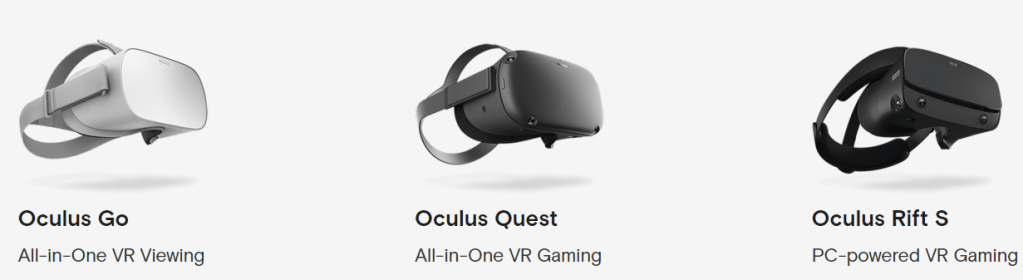
CoSpaces – An Educational VR Tool
CoSpaces is a useful educational tool that allows for teachers to create VR environments for their students to explore and allows students to create their own environments. It is available in both desktop and tablet applications and sharing VR spaces with a simple QR code further increases its accessibility.
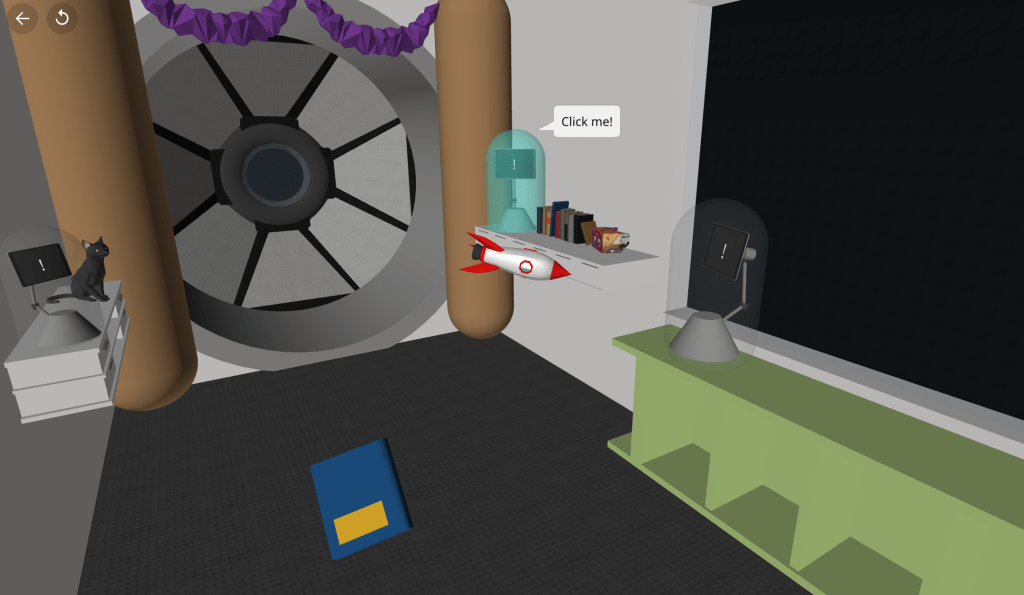
CoSpaces facilitates student’s active learning by affording the capacity to interact with virtual models and experiences and allowing students to create their own virtual world. 3D models can be selected from a library or even designed with an inbuilt 3D-modelling function and given movement and functions with a block coding interface.
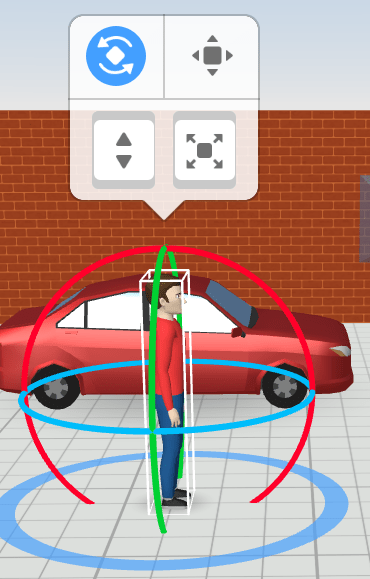
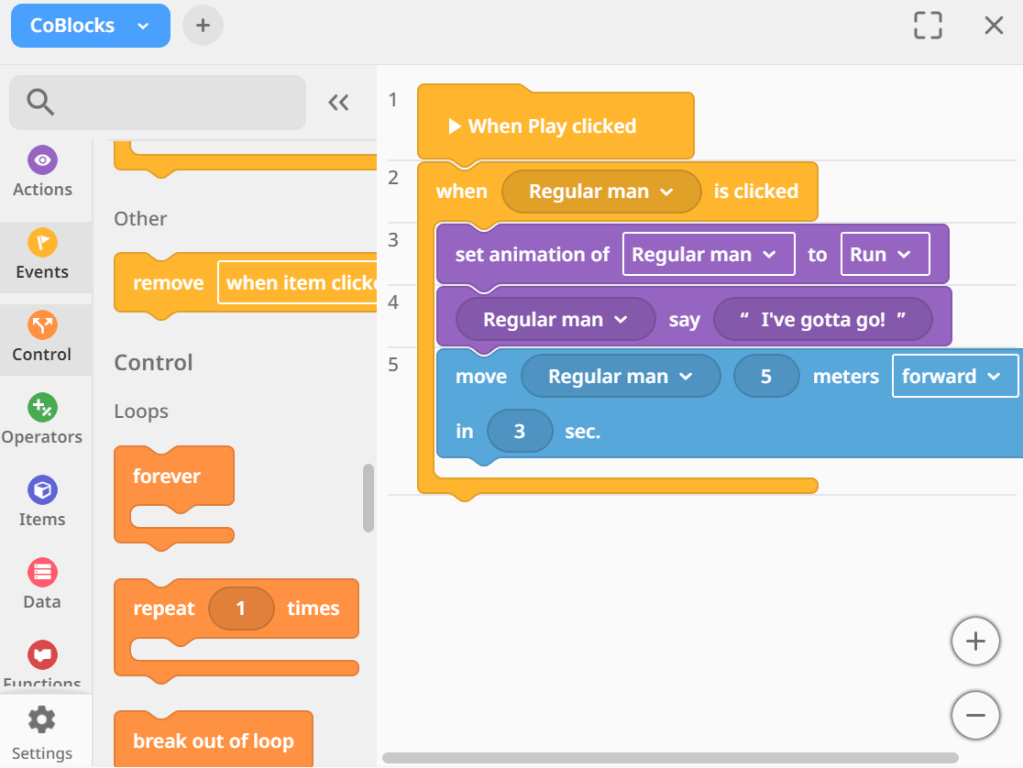
Use of this software must be heavily scaffolded as there is a large potential for off-task distractions that could easily capture student’s imagination. Time must be spent on learning how to use the software as it is not as intuitive as one might expect. Previous experience with block coding would benefit students immensely as the cognitive load of learning block coding on top of creating a virtual world in unfamiliar software could very easily become overwhelming.

If done properly, CoSpaces has huge potential to increase student immersion and engagement while developing computational thinking skills and encouraging active and deep learning.
References
Kavanagh, S., Luxton-Reilly, A., Wuensche, B., & Plimmer, B. (2017). A systematic review of virtual reality in education. Themes in Science & Technology Education, 10:2, pp85-119.
All images are my own
 EDUC3620 Digital Creativity and Learning ePortfolio