Augmented Reality (AR) is a technology that super-imposes computer generated images over the user’s real time view of the world around them. AR is a technology that enables new approaches to educational instruction and enriches student’s learning experiences (Dalim et al 2017). Studies show that it can have significant benefits to the depth of understanding students develop (Lindgren and Moshell 2011), especially their understanding of complex concepts.
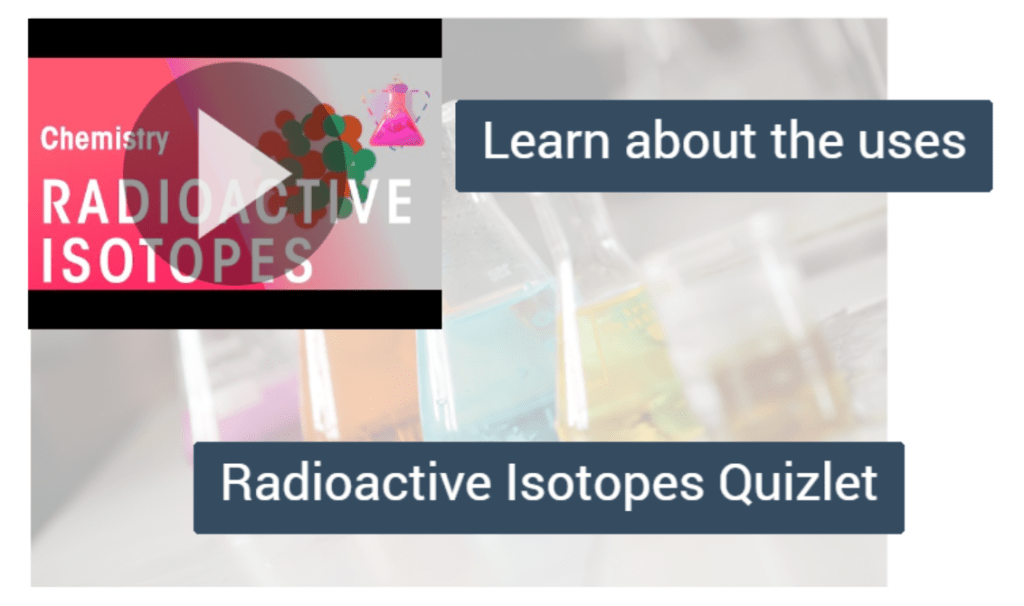
My AR experience aims to introduce students to radioactive isotopes and their current uses. I included a video to inform students of the basic science behind radioactive isotopes and their properties and provided them with a link to a quizlet that has a series of flashcards introducing students to their uses. In scene 2 students tap on pictures that link to websites which cover some of these uses in far greater depth.
Scene 1 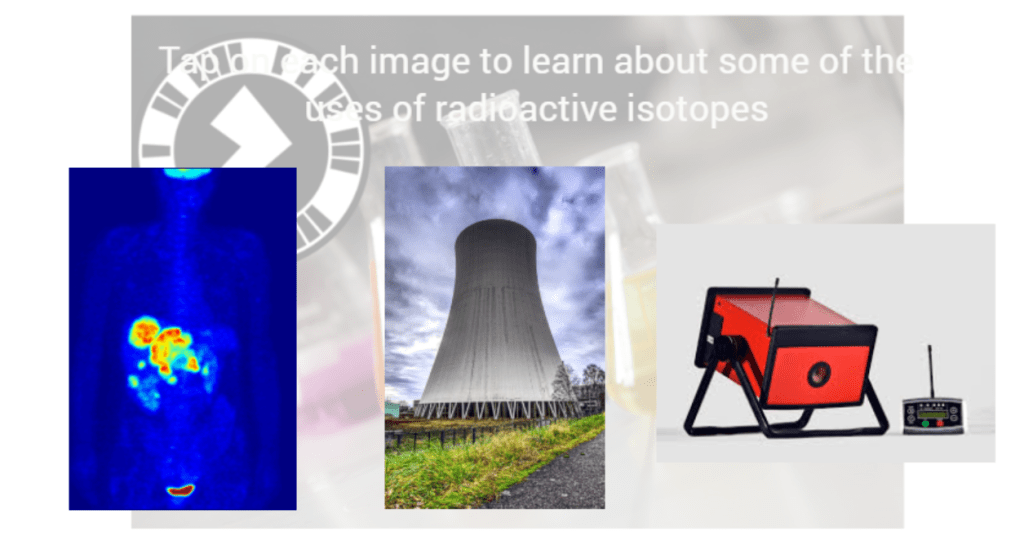
Scene 2
The purpose of this AR experience is to introduce students to radioactive isotopes and their uses and springboard them into inquiry-based activities based on what they found most interesting. The AR experience serves as a tool to increase student engagement and present information in a clear and concise manner that leaves students feeling like they are playing an active role in exploring the content.
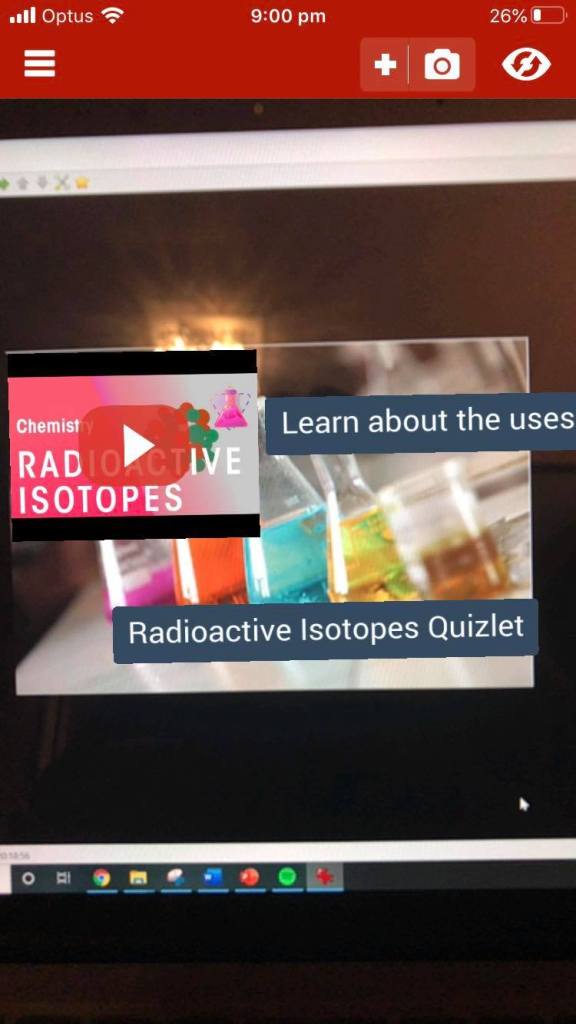
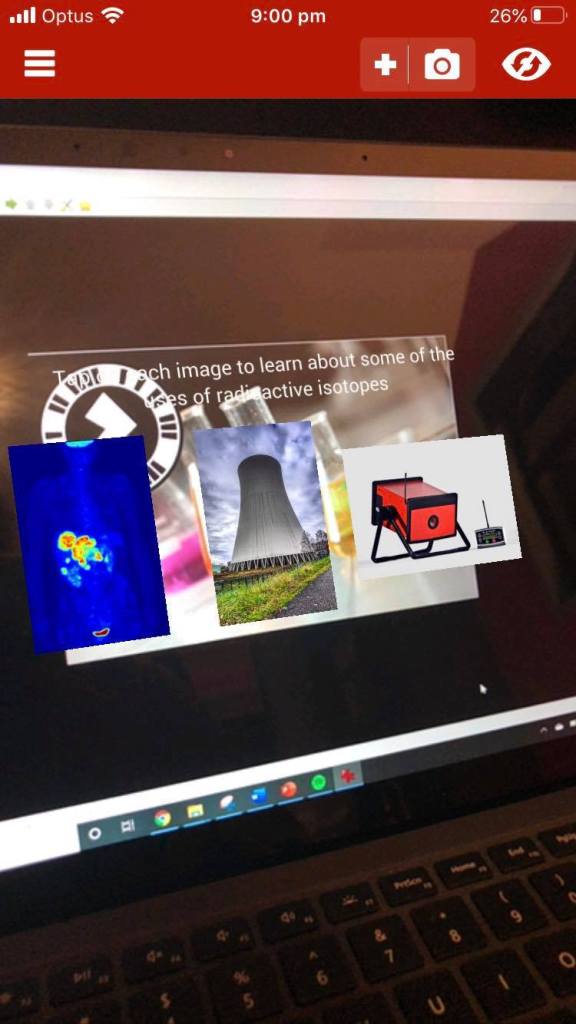
While using Zapworks to create the experience I ran into problems trying to create a working trigger image. The Zapcode I was originally provided would not be recognised throughout many different versions of the uploaded trigger image and it was not until I started the project again with a new Zapcode that I found success. Apart from that I found that using the UI was intuitive and that creating my AR experience forced me to think of creative ways to engage students. Experimenting with the available options and new scenes allowed me to settle on a final design quickly. Testing your designs was also made easy thanks to the Zappar app that reads the trigger image on mobile devices.
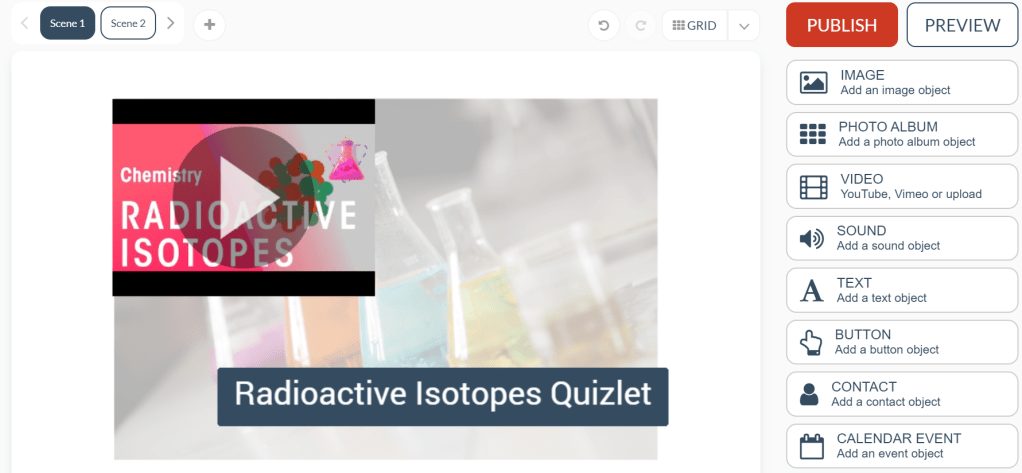
The Zapworks UI
The use of AR in classroom settings will only increase as technology becomes more readily available in schools and teachers embrace its potential benefits to student learning. Developing a sound understanding of its applications now will benefit me greatly moving forward.
References:
Lindgren, R. and J.M. Moshell, 2011. Supporting children’s learning with body-based metaphors in a mixed reality environment. Proceedings of the 10th International Conference on Interaction Design and Children, Jun. 20-23, ACM, Ann Arbor, Michigan, pp: 177-180
Dalim, C.S.C., Kolivand, H., Kadhim, H., Sunar, M.S., Billinghurst, M., 2017. Journal of Computer Science, 13(11), 581-589
All images are my own or free to be used without accreditation
 EDUC3620 Digital Creativity and Learning ePortfolio
Hi Nathan,
So I have a question for you! I didn’t have time to continue investigating it for myself, but I found the scene transitions confusing and so just abandoned them, but I can see you’ve chosen to use two scenes. Firstly I wanted to let you know that when I viewed your creation, once I entered Scene 2, I couldn’t get back to Scene 1. Secondly, do you know how to fix this? And, did using the “scenes” make sense to you? Because, other than this, I too found the whole process very intuitive and, like you said, very well supported through trialling my editions with Zappar.
I look forward to any insights you may be able to offer me,
Miss Wilkes.
LikeLike
Hi Nathan, i thoroughly enjoyed your AR zapworks based on Radio isotopes. I agree with your statement that AR will be increasingly used and incorporated into the classrooms. But as you have encountered technical errors and problems with your AR trigger image, this leaves a questioning into the efficiency of the technology and professional skills to enable AR to be used successfully into the classroom. What are your thoughts on this mate?
BTW, how you holding up in social distancing?
LikeLike